SEPHORA

sábado, 25 de junho de 2016

Acai paraense


ingredients:

1 liter of thick acai at room temperature
sugar to taste
2 cups (tea) of tapioca flour

Method of preparation:

Place the açaí to chill for about 30 minutes before cooking. Remove from the refrigerator and, in a bowl, mix the acai berry with sugar. Stir well, add the tapioca flour and serve.

maniçoba: Brazilian indigenous food


    ingredients:
3 kg of ground manioc sheet (manioc)
1/2 kg of lard
1/2 kg of beef jerky (dried meat)
1/2 kg of Portuguese sausage
1/2 kg of sausage
1/2 kg of pork loin
1/2 kg of pig's ear
1/2 kg of pig tail
chopped garlic to taste
hot peppers to taste

Method of preparation:
On the 1st day, place the sheet of ground manioc in a large pot with water. Simmer all day on low heat without letting it dry. The next day, put the bacon and simmer. On the third day, blanch all the meat and place in pan of maniva to boil. Stir occasionally. The next day, add the garlic and pepper, simmer for another 6 hours, stirring occasionally. Serve with white rice and raw cassava flour.          


terça-feira, 21 de junho de 2016

EASY FISH MOQUECA


INGREDIENTS
1 kg of fish cation in put
1 green pepper, sliced
1 red pepper, sliced
1 yellow pepper, sliced
1 tomato, sliced
1 onion, sliced
1 thread of olive oil
Shoyu sauce
vinegar (or lemon)
saffron
salt
Black pepper
1 bunch of cilantro (or parsley) and chives
1 tablet of fish stock (or shrimp or chicken)
1 small glass coconut milk (200 ml)

METHOD OF PREPARATION
In a saucepan (preferably it is clay) put on the bottom a layer of onion, tomato and colored peppers
Place the fish fillets
Let's season: a little olive oil, a little vinegar (or lemon), drizzle with soy sauce, a pinch of salt, a pinch of saffron; one pepper pinch (or hot sauce)
Place the pan the tablet of fish broth (chicken or shrimp)
Place the rest of the onion rings, tomatoes and peppers;
Remember that the fish caught easily spice and what does get tasty is the smoothness in taste, so put a little of each ingredient (salt, vinegar, olive oil, soy sauce, pepper, turmeric)
The fish will drop a water, cover the pan and leave the kitchen until soft, careful not to cook too and undo folded
If necessary put a bit of filtered water
When the fish is cooked, sprinkle with cilantro and chives and pour the coconut milk (which in this recipe can be optional)
Serve with fish sauce and white rice

SAUCE TO SUPPORT FISH


INGREDIENTS
4 tablespoons mayonnaise and full of soup
2 tablespoons ketchup soup
1 tablespoon black mustard
1/2 juice of a small lemon
1 tablespoon soy sauce soup (soy sauce)
Salt and black pepper to taste

METHOD OF PREPARATION
Mix the mayonnaise, ketchup, soy sauce and dark mustard
Add little by little lemon juice
Add as much as you want salt and pepper
Usually I use this sauce recipe to accompany fried fish


quarta-feira, 1 de junho de 2016

Bratwurst

Bratwurst ist eine Wurst deutscher Herkunft, bestehend aus Schweinefleisch, Rindfleisch, und manchmal Kalb. Der Name leitet sich von dem deutschen Wort gemacht Bratwürste, aus der alten Hochdeutsch . Die Brat- Wort bedeutete Fleisch in kleine Stücke geschnitten und -wurst Wurst wie heute gemeint. Obwohl das Wort Bengel in Bratwürste beschreiben, wie die Wurst gemacht werden, ist es oft fälschlicherweise als von braten Verb abgeleitet, die oder Backmittel zu braten. Trotz der Etymologie, Braten und Rösten sind die häufigsten Möglichkeiten, diese Würste vorbereitet. Typischerweise werden sie gegrillt, aber manchmal auch in einer Brühe gekocht.

Der ursprüngliche Name "Bratwürste" entstand wahrscheinlich in der Thüringer Region, wo es traditionell für die Thüringer Rostbratwürste bekannt ist. Die kleine Bratwurst entstand in Nürnberg. Je größer und dicker, kann fast überall in Deutschland zu finden.

                       
                       Bratwurst mit Sauerkraut und Kartoffeln.


                        Gegrillte Bratwurst.

                       
                         Bratwurst in der Pfanne.


Verbrauch

In Deutschland werden diese Würste oft mit einer würzigen oder süßen deutschen Senf gegessen, mit Ketchup und gebraten oder in Scheiben geschnitten und als Currywurst gegessen. Sie werden oft auch in einem kleinen deutschen Brot serviert und von einem Bier begleitet. Diese Brote mit Bratwurst werden oft auf den Straßen verkauft, und oft Stehen verzehrt werden.


Arten der Bratwurst

Thüringer Rostbratwürste

Diese Wurst aus Erfurt, Thüringen, ist einer der köstlichsten. Obwohl die Zusammensetzung Geheimnis ist, ist es bekannt, dass es mit gehacktem Schweinefleisch und verschiedenen Gewürzen, einschließlich Kümmel und Majoran hergestellt wird. Der erste Hinweis auf diese Wurst kommt von einem Metzger und das Datum des 22. Mai 1404 die Lieferung eines Nonnenkloster zu dokumentieren erzeugt wurde.

Die Thüringer Bratwurst ist seit dem 6. Januar 2004 durch die Gesetze der Europäischen Union geschützt, die verlangt, dass sich nur mit diesem Würstchen nennen, die zwischen 15 und 20 cm messen, gefüllt in natürlichen, roh oder gekocht Darm und einer Menge bestimmte Gewürze. Bereiten Sie gebraten auf einem vorher abgedeckt Grill mit viel Fett und lox auf einer Holzplatte.

Es gibt auch vegetarische Versionen dieser Wurst, hergestellt mit Seitan.

Nürnberger Rostbratwürste

Die Nürnberger Bratwurst Rostbratwürste oder Nuremeberga Streit mit Thüringer Rostbratwürste das Alter von 600 Jahre. Es ist eine kleine Wurst, mit Ursprung in der Stadt Nürnberg, die in fast allen Restaurants und Lebensmittelgeschäfte in der Straße zu finden sind. Ihre Größe beträgt etwa 7 bis 9 cm mit etwa 20 bis 25 Gramm. Es hat eine hellgraue Farbe und können leicht die Gewürze, als dunkler Flecken bemerkt werden. In Portugal, können Sie diese Würste in mehreren Supermärkten deutscher Herkunft, sowie in einigen Restaurants.

US Bratwurst

Die Bratwurst ist auch sehr beliebt in den USA und es gibt eine riesige Industrie ihre Produktion gewidmet. Der größte Hersteller ist Johnson, mit Sitz in Wisconsin, einem Zustand, der eine große Population von deutscher Herkunft hat.


Thüringer Rostbratwürste auf dem Grill.


Drei Würste Nürnberg auf Brot mit Senf.

寿司

寿司、酢飯で魚肉の古代の保存技術に起源を持つ日本料理の一品。それが今日知られているように、寿司は、約200年有します。最初はそれは屋台の食べ物、ファーストフードの一種として、テントで販売されていました。

寿司は、伝統的に魚や海の果物、野菜や卵のいくつかの種類と組み合わせて、酢醤油、砂糖と塩で味付けご飯で作られています。日本の伝統は、ワサビ(ホースラディッシュペースト)を伴ってそれを提供することです。


歴史

伝統的な方法は、今も人気があり、東南アジア、に由来する過程で塩で保存、寿司飯と魚を発酵させます。

用語の寿司は、「日本のリゾット」の意味を持つ古風な文法的なフォームから来て、他の状況では、より使用されていないと文字通り発酵食品の歴史的ルーツの反射 "酸味がある」ことを意味します。

パックされたイネの魚の発酵の背後にある科学は酢はアミノ酸にコメ発酵魚のタンパク質の分解から生成されたということです。これは、5つの基本味の一つになり、日本語でうま味と呼ばれます。日本の寿司の最も古い形はnarezushiも密接にこのプロセスに似ています。日本では、narezushiはoshizushiすると、最終的にように世界的に食糧を知られている握り寿司、江戸前するように進化し、「寿司」を

現在、日本の寿司はコメlactofermentadoの伝統料理に少し似ているが保持されます。発酵した魚は、米から取られたときもともと、魚だけが消費され、発酵米を廃棄しました。 funazushiと強い香りの味、日本では琵琶湖の近くに作られたnarezushiの種類は、ほとんどの発酵寿司を製造する従来の方法に似ているものです。

室町時代(1336年から1573年)以降、酢は、より良い味と保存を与えるために、魚米の混合物に加えました。米酢は、その貯蔵寿命を増加させ、発酵プロセスを短縮し、最終的には料理の準備に放棄させること苦味を強調しました。次の世紀では、大阪寿司はoshiずしへと進化しました。シーフードと米が竹のマットを使用してプレスしました。半ば第十三世紀では、製剤のこの形式は、江戸(現在の東京)となりました。

この技術は、発酵されていなかったファストフードの初期の形だった、それはすぐに準備した江戸時代の終わりに、国際的に唯一の寿司のために知られている現代版は、花屋洋平(1799年から1858年華屋与兵衛)によって開発されました。それは路上でまたは劇場で武装屋台で食べることができました。それは江戸前(現在の東京湾)でキャッチ新鮮な魚を用いて製造されたため、その時点で、寿司のこのタイプは、江戸前寿司と呼ばれていました。最近は魚がこの場所の詳細を参照しませんが、寿司はまだ正式江戸前握り寿司として知られている存在である生産しました。


栄養
寿司の伝統的な生の魚と米の主な成分は、脂肪の低金利、タンパク質、炭水化物、ビタミン、ミネラル、オメガ3(魚と寿司)の割合が高いです。同じことが、ますます、追加され、西洋スタイルでお寿司とマヨネーズ、アボカドとクリームチーズのような非伝統的な食材を発生しません。

魚、豆腐、魚介類、卵や寿司で使用される他の多くの詰め物は、高タンパク質レベルを持っています。ビタミンやミネラルは寿司で使用される最も野菜や魚介類で発見されています。鮭肉はビタミンDガリに富み、海苔寿司を作るために使用しながら、エビの肉は、例えば、カルシウムおよびヨウ素が豊富で栄養分が豊富です。ご飯と一緒に包まれた他の野菜はまた、いくつかの他のビタミンやミネラルを提供しています。炭水化物は米や野菜で発見されています。


健康上のリスク

どのように多くの魚介類や魚を使用した食品、寿司は健康リスクの自由ではありません。このようなマグロ(特にクロマグロ)のようないくつかの大きな魚は、高濃度の水銀で汚染されてもよいです。これは、マグロが彼らの食物連鎖の頂点になるという事実によるものである:消費ときすぐに、それは小さい魚の汚染を蓄積します。多量に消費している場合このように、マグロ、および他の魚は水銀中毒を引き起こす可能性があります。

寄生虫感染はまれです。日本人は特に、アニサキス、寄生虫に感染されるのを避けるために、食べる前に夜にすべての魚を凍結する傾向があります。

これは、アレルギー魚介類への反応や使用スパイスのリスクを考慮することもあります。

「素手」で用意する伝統的な料理があるとして、純粋主義者によると、抗菌洗剤と手袋や手洗いの使用は、味に影響を与えるので、もう一つの懸念は、細菌による汚染、大腸菌群の特にファミリーであります寿司。汚染源、クリーニングが用意されている成分の保管、および使用される器具としても、既存の。軽度の消化不良から下痢、潰瘍や死などの合併症、より深刻なケースでは、までの弊害。

適切に準備されていない場合寿司の他の形態、(フグ科など)有毒魚を使用して最も顕著ものは、深刻な中毒を引き起こす可能性があります。ふぐは、特に、それらの内部器官におけるテトロド​​トキシンの致死量を有しており、ライセンスの資格のコック国家試験日本が準備する必要があります。


hamburger history


The origins of the hamburger are uncertain and permeated with myths and stories, but it's likely that he has been first prepared the way we know it today in the late nineteenth century or early twentieth century. The modern burger is derived from the culinary needs of a society that was changing rapidly due to industrialization and therefore enjoyed less time for food preparation and consumption of meals.

Much of the reason his story is controversial due to the fact that Americans vying for the title of being the first to combine two slices of bread with a steak of minced meat, forming a "hamburger sandwich", even though its two basic ingredients, bread and meat, have been prepared and eaten separately for many years before that combination. Shortly after its creation, the burger was prepared with all the trimmings that today you are typically features with onions, lettuce and sliced ​​pickles.

During the twentieth century, there were several controversies regarding the caloric value of food, including nutritional controversy in the late 90s, but he did not fail to reflect part of the history of the twentieth century, and be associated with a certain symbolism. Today the burger is costumeramente correlated with the US and with a particular culinary style, namely fast food. Beside the fried chicken and apple pie, he became an icon of American cuisine.

However, he also enjoys international popularity and its worldwide fame certainly is the greatest kind of globalization of human food consumption, alongside other dishes such as Turkish döner kebab, Italian pizza and Japanese sushi. It spread easily across continents from different cultures and cuisines because, according to some, his easy way of preparation and understanding. The global culinary culture around the hamburger given by the concept of selling processed food, imagined notably in the 1920s by the White Castle chain of restaurants and it was later perfected in the 1940s by McDonald's and Ray Kroc. This global expansion has provided economic evaluation as the Big Mac index that allows comparison of the purchasing power of different countries where the Big Mac burger is sold today.

                       
                       Burger opened with processed cheese and chips.

Popular culture


During the post-war period, the burger was very famous, even in popular culture. One example was the frequent appearance of burgers in comic Popeye E. C. Segar, whose protagonist was the Navy that Popeye ate spinach to support his superhuman strength; his first appearance, however, was as a supporting character on 17 January 1929 alongside other characters, including J. Wellington Wimpy (often shortened to just "Wimpy" and known in Brazil as Dudu), a greedy educated who was in love by burgers. His striking phrase, "I will pay with pleasure on Tuesday for a hamburger today!" (In English I'll gladly pay you tomorrow for a hamburger today) became famous. During the height of its popularity in the 1930s, Dudu has an image that the burgers were healthy for the youth of the time, and his fame resulted in the creation of a chain of fast food restaurants called Wimpy your honor, that sold hamburgers for ten cents.

Soon many other fictional characters were associated with hamburger like Ronald McDonald, a clown designed by Willard Scott who first appeared on American television in 1963, and became famous. In the 1960s the burger was quoted in undergrounds comics like Zap Comix # 2 designer Robert Crumb, where there was a character called "Hamburger Hi-Jinx". At the end of this decade, pop art used the hamburger as an artistic element in Andy Warhol's works (Dual Hamburger), Claes Oldenburg (Floor Burger), Mel Ramos (Vinaburger, 1965), and more recently, David LaChapelle (Death by Hamburger , 2002).

The starship known as the Millennium Falcon, designed by George Lucas for Star Wars, was based on a hamburger format. [3] Other media also make or have made frequent appearances or quotes from burgers, as the 1982 BurgerTime game.


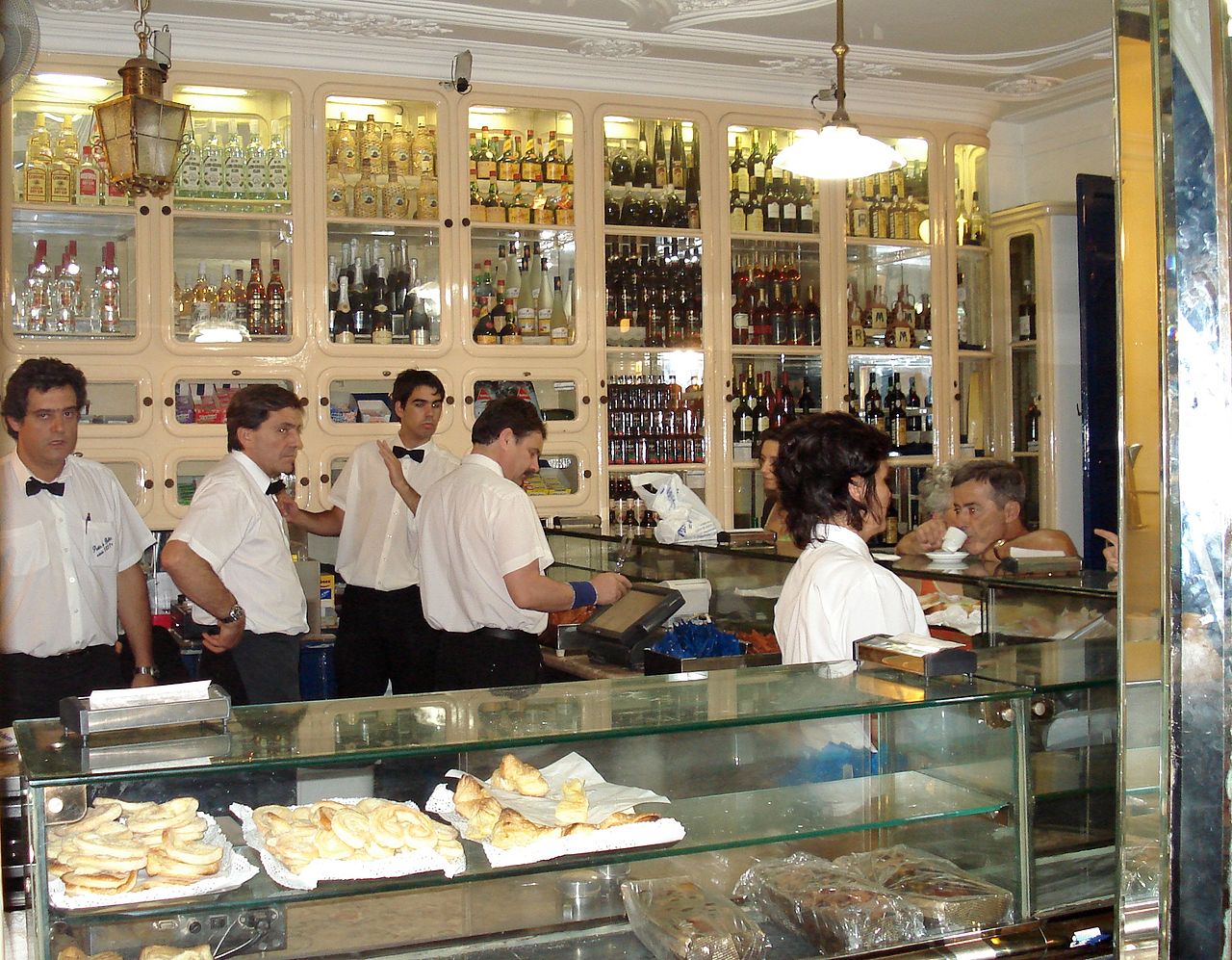
The cream pastels or crayons belém

The cream puffs or belém crayons are one of the most popular specialties of Portuguese sweets. Although one can enjoy cream puffs in many cafes and pastry shops, the original recipe is a unique secret factory of Pastel de Belém, Lisbon. Then, traditionally, crayons

Bethlehem are eaten still warm, dusted with cinnamon and powdered sugar.

The Pastel de Belém was elected in 2011 one of the 7 Wonders of Gastronomy of Portugal.


In 1837, in Belém, near Jeronimos Monastery, in an attempt to subsistence, the monastery of the clerics put up for sale some cream puffs. At that time, Bethlehem and Lisbon were two distinct locations with access provided by steamboats. The presence of the Jeronimos Monastery and Belem Tower attracted numerous tourists who helped to spread the pastel de Belém.

Following the liberal revolution of 1820, in 1834 the monastery closed. The convent confectioner decided to sell the recipe to Portuguese businessman from Brazil Domingos Rafael Alves, continuing until today in the possession of his descendants.

Earlier crayons were on sale in a sugar refinery situated near the Jeronimos Monastery. In 1837 they opened the facilities in an annex, then turned into pastry, the "Ancient confectionery Bethlehem." Both the original recipe as the name "Pastel de Belém" are patented.

                   
                                   Crayons factory Belém in Lisbon


present

Cream puffs of one of the numerous specialty pastries in 蛋 挞 in Guangzhou (Canton) China

Currently, in most cafes in Portugal you can buy cream puffs, home-made, but only the original can be called Pastel de Belém.

As a sweet Portuguese, the pastel de nata is also quite common in Brazil. The cream puffs are very popular in China, where they arrived via Macao, the time of the Portuguese presence. In Chinese are called "dan ta" (蛋 挞), meaning "egg pastel". fast food companies included the "dan ta" in its offer desserts, making since the late 90s is possible to taste custard tarts in Asian countries such as Cambodia, Singapore, Malaysia, Hong Kong and Taiwan.


segunda-feira, 30 de maio de 2016

cuisine française

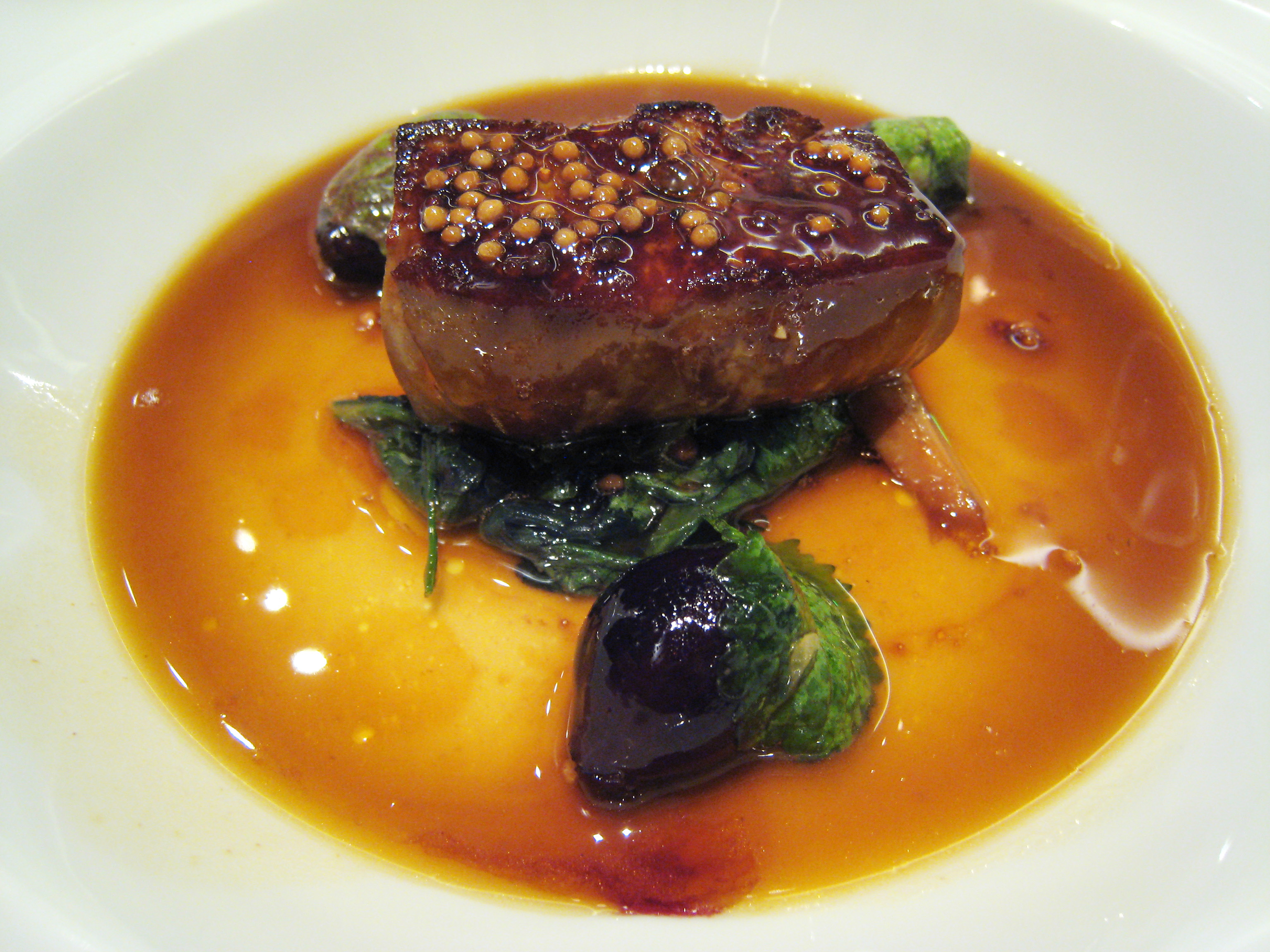
1. Foie gras que vous trouverez en entrée, servi avec des confitures maison et du pain grillé ou une salade. Le Comptoir de la Gastronomie est bonne


2. Confit de canard et magret de canard sont toujours les plats principaux. Le confit précisément la cuisse de canard, est livré avec des pommes de terre dorées à l'ail. Le magret ou magret de canard est goûté croustillant à l'extérieur et rose à l'intérieur. Les magrets ici sont sublimes. Brasserie offre tous ces plats.


3. canard à l'orange, canard à l'orange, le canard est coupé en morceaux et cuit avec du jus d'orange. Parfois, les restaurants servent un filet de canard avec sauce à l'orange. Une autre recette traditionnelle est cuit canard aux olives. Comme le canard à l'orange est recette maison, on ne trouve pas souvent sur les menus. Mais Magret à l'orange est facile à trouver.


4. Parmentier de canard, typique de brasseries plat est préparé avec une pomme de terre et de la viande de Piré confit de canard en gras et déchiqueté. Le parmentier peut également être fait avec du bœuf, en particulier les joues. Elle est divine. Dans ce cas, le plat est appelé hachis parmentier et j'adore la Ma Cocotte, le restaurant Starck dans le marché aux puces de Saint Ouen


5. Pommes de terre au gratin (gratin dauphinois), pommes de terre pire (il faut essayer au moins une fois dans la vie du célèbre chef de la purée de Joël Robuchon), aligot (purée enrichie d'un fromage appelé Tomme de Laguiole), pommes de terre sautées ou Rissolées (pommes de terre coupées en carrés et l'ail d'or) ... les Français sont des experts dans la préparation des pommes de terre.


6. Jarret d'agneau (gigot d'agneau), goûté cuits à l'extérieur et rose à l'intérieur ou bien en version 7 heures, cuites au four à basse température. Il tombe en morceaux. Dans de nombreux restaurants, vous trouverez également l'épaule d'agneau, mon préféré. Une viande pulpeuses et plus tendre. Ou le navarin d'agneau, ou des morceaux d'agneau cuit lentement avec des légumes.


7. langoustes et coquilles Saint-Jacques. Le homard doit être vivant retiré du réservoir et cuit au point exact. Le homard ne peut être frit, il sèche et durcit. Une fois cuit, le Nous goûté avec une sauce et chaque chef a sa recette spéciale de homard. Le meilleur homard que je goûtais était déjà sur le restaurant de la Terre Cota dans la ville de Propriano en Corse. Les Français sont experts aussi dans la préparation des coquilles Saint-Jacques, pétoncles, et fruits de mer plateaux. Sur la photo ci-dessus a été le homard cuit et légèrement doré.


8. Les crêpes sont ici divine. A Paris, nous avons une adresse parfaite, La Crêpe Autrement (cliquez ici). Les crêpes salées sont faites avec le sarrasin et doux avec de la farine de blé.


9. Les champignons français sont de véritables délices et un coût très cher. Les Français se préparer très bien. Dans la saison des champignons, tous les restaurants offrent des champignons en entrée ou en accompagnement.


10. Steak tartare, viande crue coupée en petits morceaux avec le couteau et tempéré. Habituellement, il est servi avec un oeuf cru et oignon cru. Le meilleur de Paris.


terça-feira, 24 de maio de 2016

calorie foods to gain mass


While some are struggling mightily to lose weight, others are specific diets for fat and gain muscle. The weight below ideal and the search for a more muscular body make many people invest in high calorie diet, high in protein and carbohydrates. To change their diet and conquer the body of dreams, check out some tips calorie food, which in addition to healthy help gain muscle mass.

alimentos-hipercaloricos-para-ganhar-massa-181232768.jpg

Healthy breakfast

The first meal of the day, consume fruits and cereals have higher amounts of calories. The banana, which is rich in potassium, and avocado, source of fatty acids and vitamins, are great choices, and can be served with granola, oats and honey. Milk and its derivatives should also be part of the meal.

alimentos-hipercaloricos-para-ganhar-massa-159108891.jpg

hipercalórico menu: snacks

The morning snack and afternoon snack are essential to the success of the diet. At these meals, add other types of carbohydrates and proteins, such as sausages and breads. To make the healthiest dishes, prefer to use lean meats such as smoked turkey breast, and whole grain breads. Those who wish to increase further the snack can eat a small bar of cereals and fruit or take a vitamin with milk, avocado and banana.

alimentos-hipercaloricos-para-ganhar-massa-164122169.jpg

Diet to gain weight: Lunch

At lunch, eat vegetables and vegetables at will. In the main course, add rich in protein legumes such as soy, beans and lentils, and cereal source of carbohydrates such as rice peccary, brown or white. The meat must also be part of the meal, it provides good amounts of protein. To maintain health days, prefer to consume white and lean meats such as chicken.


alimentos-hipercaloricos-para-ganhar-massa-178831960.jpg


dinner hipercalórico

For dinner, vegetables are also released, and must accompany the main dish consisting of pasta, rich in carbohydrates and protein foods. A delicious tip is to prepare pasta with tuna and boiled egg. Those who do not usually get hungry at night can replace the meal for a supplement to gain mass or vitamin hit with fruits, rolled oats and honey.

Foods that help you ward off PMS symptoms


Swelling and they are ill can be combated with balanced diet


Do you know what the acronym that haunts most women? PMS. That's it. The TPM is synonymous with bloating, moodiness, uncontrolled hunger, desire to eat chocolate, breast pain and "otras cositas but". So if you are a woman and want to amaze once the undesirable symptoms of premenstrual syndrome, nutrition can help you enough. Check out some tips below:

- Drink plenty of fluids
Water detoxifies the body and helps to deflate. Take great teas (less kill and black), natural juices, coconut water, soups (without cream to not weigh in the balance) help.

- Food rich in fiber
The fibers are in whole foods (bread, pasta, cereals), fruits, vegetables. They also help the body to detoxify and maintain blood glucose (blood sugar) stable in this way do not feel like snacking all day.

- Consume foods with vitamin B
Whole grains (along with dark green vegetables and meats) are foods rich in B vitamins These vitamins reduce the headaches and the will to attack the candy. Vitamin B6 controls the effects of aldosterone, a hormone produced by the adrenal during the premenstrual phase which reduces the excretion of sodium and cause swelling.

- Omega-3 for mood
The cold water fish (salmon, herring, tuna) and flaxseed oil are rich in omega-3, a fat that has anti-inflammatory properties and helps to reduce the appearance of pimples and cellulite. The omega-3 also helps in maintaining good mood!

- Include oil on the menu
Walnuts, chestnuts, almonds, pistachios are foods rich in polyunsaturated fat also targeting inflammation. But do not overdo it, because they are high-calorie.


- Magnesium for controlling satiety
Magnesium-rich foods, such as pineapple, beans, nuts, walnuts, carrots, dark green leafy and complex carbohydrates and whole, control the appetite for sweet, increased appetite and headache.

- Well-being on the plate
Foods rich in tryptophan, an amino acid precursor of serotonin, responsible for the sense of well being, are very welcome. And they are: milk and dairy products (prefer to nonfat and low-fat), products based on soy, seafood, beans, lentils, rice and whole grains, oilseeds, eggs and sunflower and sesame seeds.

- Make your bowel function
Food Probiotics are also good choice, since one of its benefits is to enrich the intestinal flora, causing the intestines to function correctly and regularly and eliminate toxins (byproducts of metabolism).

- Zinc is essential
To reduce irritability, anxiety and insomnia, symptoms characteristic of this phase of the cycle, abuse of foods rich in zinc: lean meats, fish (including oysters and shellfish), milk, whole grains, beans and nuts.


What are antioxidants? See what foods are rich in these substances and understand why it is important to consume them

Antioxidants fight free radicals, maintain healthy skin, slowing aging and preventing disease. know more


What are antioxidants?

By definition, antioxidants are substances capable of inhibiting or delaying the oxidation of an oxidizable substrate. The role of antioxidants is to protect healthy cells of the organism against the oxidizing action of free radicals.

free radicals antioxidants relation x

Free radicals (oxidants) are molecules that, by not having an even number of electrons in the last electronic layer, are highly unstable. They are always seeking to achieve stability fighting chemical reactions of electron transfer (redox) with neighboring cells. Although fundamental to the health, when in excess, free radicals begin to oxidize healthy cells, such as proteins, lipids and DNA.

The constant attack leads to lipid peroxidation (destruction of polyunsaturated fatty acids that make up cell membranes). The increase in lipid peroxidation in turn, is associated with development of chronic diseases such as atherosclerosis, obesity, diabetes, hypertension, and the development of degenerative diseases such as Alzheimer's and Parkinson, and some cancer.

The importance of antioxidants is precisely the fact that they are able to regulate the amount of free radicals in the body.

A diet rich in antioxidant intake contributes to the reduction of oxidative stress (imbalance between the levels of free radicals and antioxidants)

antioxidant defense systems

enzyme system (endogenous), formed by a set of enzymes (superoxide dismutase, catalase and glutathione) produced naturally by the body. However, the efficiency of this production system tends to decrease over the years. Therefore, it is important to maintain the quality of the second defense system, non-enzymatic, by eating foods rich in antioxidants.

System non-enzymatic (exogenous): composed of groups of substances such as vitamins, minerals and plant substances that can be ingested through diet.

Antioxidants act in two ways under free radicals: by inhibiting their formation and repairing already caused injuries. The first is related to the inhibition of chain reactions involving their training; and second, the removal of damaged cells, followed reconstitution of cell membranes.

Antioxidants also intercept and prevent free radical attack on these lipids, amino acids, proteins, polyunsaturated fatty acids and DNA bases, protecting the cells lesions. Antioxidants obtained through diet (vitamins, flavonoids and carotenoids, etc.) are crucial in this process.

The human body has two antioxidants self defense systems: the enzyme system (endogenous) and non-enzymatic (exogenous).

Some antioxidants such as vitamin E, are soluble in lipids (fat soluble) and protect cell membranes from lipid peroxidation, helping to remove damage and to replenish the cell membrane.

The endogenous self-defense system, however, tends to be reduced with the natural aging process, as the production of antioxidant enzymes will lose their effectiveness over the years.

The main non-enzymatic antioxidant system are:

• Beta-Carotene and Lycopene: are carotenoids, natural pigments present in fruits and vegetables. They act as antioxidants, for sequester oxygen, reducing the availability of free radicals to carry out oxidative reactions. They are associated with carcinogenesis and prevention of atherogenesis, by being able to protect molecules such as lipids, proteins and DNA undergo oxidation. Moreover, they are precursors of vitamin A in the body.

Where to find: they are found in reddish, orange and yellow foods such as carrots, tomatoes, orange, peach, pumpkin; and dark green vegetables such as broccoli, peas and spinach.

• Curcumin: is a pigment that occurs naturally in the roots of turmeric. Widely used as a seasoning in Indian cuisine, turmeric sequesters free radicals and inhibits the degradation of polyunsaturated fatty acids of cell membranes.


• FLAVANOIDS: the flavonoids are a group of naturally produced by vegetable substances to assist in protection against solar radiation and fight pathogenic organisms. They have the ability to inhibit the activity of enzymes responsible for the production of free radicals, preventing thus their training.

Where to find: they are found in fruits such as grape, strawberry, apple, pomegranate, blueberry (blueberry), raspberry and other red color fruit; in vegetables such as broccoli, spinach, parsley and kale; walnuts, soybeans, flaxseed; and they are found in drinks such as red wine, tea, coffee and beer, and even chocolate and honey.

• Vitamin A (retinol): vitamin A has the ability to combine with some free radicals before they cause damage. Vitamin A also participates in the production process of the skin.

Where to find: in animal foods such as whole milk and beef liver. Those who do not consume animal products should consume vegetables containing high concentrations of beta-carotene and lycopene, as these are precursors of vitamin A in the body.

• Vitamin C (ascorbic acid): water soluble (hydrosoluble) therefore reacts with free radicals available in an aqueous medium, such as exists within the cell. Vitamin C is also able to regenerate vitamin E and keep the enzymes endogenous antioxidant system at low states, particularly saving glutathione.

Where to find: in fruits: melon, cantaloupe, citrus fruits (oranges, lemons, tangerines) kiwi, mango, papaya, pineapple, blueberry (blueberry), strawberry, raspberry and cranberry (cranberry); and vegetables: broccoli, cauliflower Brussels sprouts, cauliflower, red and green peppers, spinach, potatoes, sweet potatoes, squash and tomatoes.

• Vitamin E (tocopherols): Vitamin E is a group of tocopherols, as being the most important antioxidant, alpha-tocopherol. Vitamin E is fat soluble (fat soluble) thus acts protecting cell membranes (composed of lipids) the action of free radicals. It also protects low density lipoproteins (LDL) which act on cholesterol transport.

Where to find: vegetable oils and derivatives, green leaves, oilseed (Brazil nuts, hazelnuts, almonds, walnuts) and seeds, whole grains and leafy vegetables: spinach, watercress, arugula, among others.

• Copper: essential to the proper functioning of the self endogenous defense system as it influences the action of superoxide dismutase.

Where to find: kids, seafood, whole grains and dark green vegetables.

• Selenium: works together with vitamin E, fighting the action of free radicals. also contributes to the normal formation of tireróide.

Where to find: in animal products such as kids and seafood; in plant foods such as whole cererais and Brazil nuts.

• Zinc: the same way as copper, influences the activity of superoxide dismutase.

Where to find: sea food like oysters, lobster, crab. In other animal products such as red meat and poultry, milk and dairy products. And in products of plant origin: beans, nuts and whole grains.


Thus, it is essential to maintain the quality of exogenous antioxidant defense system through the intake of antioxidants.

Since people have different vitamin needs, taking vitamins capsule may not be desirable in all cases (see further herein).

Despite the wide variety of vitamin supplements on the market, it is indicated that supplementation is made only on the basis of a medical recommendation, followed by due professional monitoring

quarta-feira, 18 de maio de 2016

green tea


Green tea (Camellia sinensis) is consumed by Asians for thousands of years to combat aging and improve health as a whole.
The first time I was when I was just a kid and I confess I hated the taste (children want to know sweet ...

The bitter taste is a major reason for people not to consume this tea regularly, but the benefits it offers are so many that it's crazy not to take advantage of this powerful herb that nature offers us.

Benefits of Green Tea

You should take it because:

- Stimulates the burning of fat and helps you lose weight;
- It is rich in antioxidants that slow the aging;
- Speed up the metabolism;
- Reduces bad cholesterol;
- Prevent some cancers;
- It is diuretic and combat fluid retention;
- Contains essential vitamins and minerals to the body.


Contraindications

Despite the benefits of green tea, there are some contraindications.
People with heart disease, hypertension and pregnant women should avoid consumption because tea can promote increased blood pressure.
In addition, contain caffeine, those who have a history of gastritis or insomnia shall reduce the amount consumed. If you experience a worsening of these symptoms, stop taking immediately.

How to prepare it the right way?

Unlike traditional teas, green tea requires a specific preparation so you can enjoy all your nutrients with no losses.
For each cup (240 mL) are needed 2 teaspoons leaf.
Method of preparation:
1) Heat the water and turn off the heat when bubbles begin to form at the bottom of the pot. Do not boil the water along with the leaves!
2) Leave the green tea in contact with hot water for a maximum of 3 minutes.
3) Remove the leaves and, if not stand the bitter taste, sweeten with honey. Avoid sugar or sweeteners!

What kind to buy?

Green tea best quality is one that comes in leaves, for it is in this state where most of the nutrients are preserved.
Avoid buy sachets (to mate tea molds) because the manufacturing process causes the loss of many nutrients which decreases eficária product.

Os 14 tipos de feijão


O feijão é um dos alimentos mais antigos do mundo, cultivado há séculos na Grécia Antiga e no Egito, existindo relatos sobre o mesmo desde 1000 a.C. Você sabia que existem 14 tipos diferentes desta leguminosa? 

Feijão Azuki
É uma leguminosa de vagem menor que o feijão comum;
Possui sementes e grãos;
Possui forma arredondada de cor vermelho escuro;
Sabor levemente adocicado;
Muito utilizado na culinária asiática.
Feijão Branco
Este retarda a absorção de açúcar no sangue e ajuda a emagrecer;
Seus grãos proporcionam um caldo bem cremoso;
Seu formato é alongado e de cor branca;
Ótimo para sopas, saladas e cassoulets.
Feijão Bolinha
Conhecido também como feijão canário ou feijão-manteiga;
Possui grão totalmente arredondado e cor amarelada;
Agrada diversos paladares;
Ótimo para saladas ou sopas;
Muito utilizado na culinária portuguesa.
Feijão Carioca
Conhecido também como feijão chilli;
Possui formato arredondado de cor bege com listras marrons;
Rende bom caldo e cozinha rapidamente;
Muito usado na culinária indiana;
Feijão Fradinho
Conhecido também como feijão-macassar ou feijão-de-corda;
Possui um formato arredondado de cor clara com o “olho” preto;
Este tipo de feijão reduz o colesterol;
Muito utilizado na culinária baiana;
Feijão Jalo
Possui grãos grandes e amarelados;
Quando cozido, forma um caldo encorpado marrom avermelhado;
Sabor delicado que lembra castanhas;
Ótimo para tutus, virados, saladas e sopas;
Muito utilizado em Minas Gerais e na Região Centro-Oeste;
Feijão Jalo Roxo
Maior que o Jalo comum, seu grão possui uma coloração vermelho escuro intensa;
Ótimo para saladas e sopas;
Muito utlizado em São Paulo, Minas Gerais e Goiás.

Feijão Moyashi
Possui formato arrendondado e esverdeado;
Este tipo de feijão é de fácil digestão e reduz sintomas de TPM;
Também conhecido como broto de feijão;
Ótimo para omeletes, sopas e saladas;
Muito utilizado na culinária japonesa.
Feijão Preto
Conhecido como o feijão da feijoada;
Possui grãos pequenos e cor preta;
Além do Rio de Janeiro, Espírito Santo, Rio Grande do Sul, Santa Catarina e Paraná, ele também é muito utilizado na culinária Mexicana.
Feijão Rajado
Possui grãos graúdos e cor rosado com listras avermelhadas;
Sabor adocicado;
Ótimo para ensopados;
Muito consumido em São Paulo, Minas gerais e região Sul.
Feijão Rosinha
Possui os grãos pequenos e um pouco mais avermelhados do que marrom;
Absorvem muito mais os temperos;
Garante um sabor especial para molhos e saladas;
Muito consumido no Mato Grosso, Pará, São Paulo e Goiás.
Feijão Roxinho
Possui grão miúdo, escuro e avermelhado;
Pode ser usado em diferentes tipos de receitas;
Sabor intenso e textura macia;
Muito utilizado em São Paulo, Minas gerais e Goiás.
Feijão verde
Possui grãos pequenos e verdes;
Conhecido como o grão da vagem verde;
Ideal para ser consumido fresco ou seco;
Muito consumido no Nordeste.
Feijão vermelho
Possui coloração avermelhada e seus grãos são miúdos;
Sabor encorpado;
Ótimo para sopas;
Muito utilizado na culinária francesa.